
New Approach to Chemical Risk Assessment
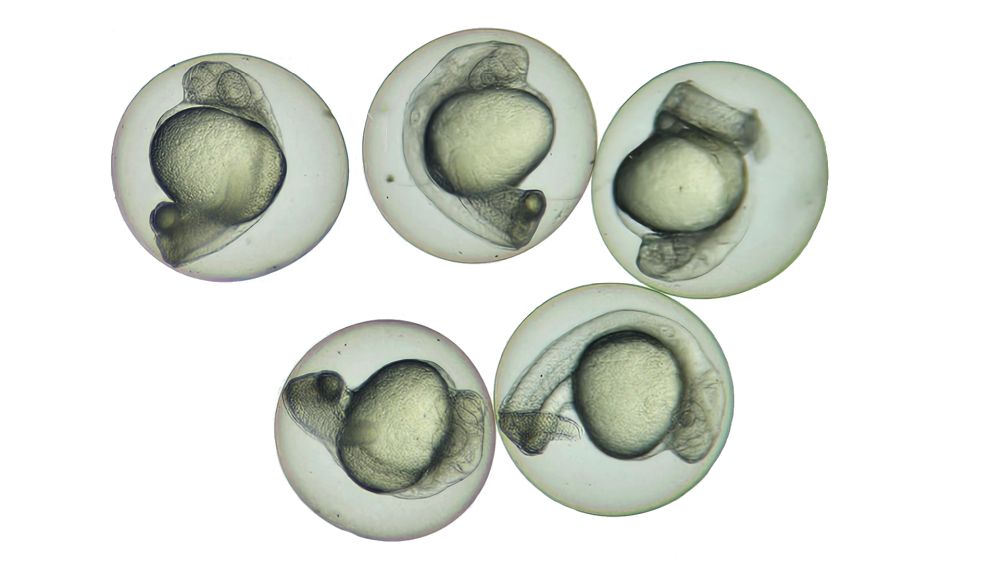
In order to assess the effects of chemicals on living organisms and human health, it is necessary to conduct studies on organisms, for example through experiments on mammals. Researchers at the Karlsruhe Institute of Technology (KIT) have now discovered that non-mammalian organisms respond to the toxic effects of various chemical substances to a similar extent as rodents. In the future, these findings could contribute not only to reducing the number of tests on mammals required for the approval of chemicals, but also to replacing them altogether.
In the PrecisionTox project, the team at KIT studied zebrafish embryos, while European and US partners contributed data on other alternative test organisms such as nematodes and fruit flies. The researchers compared the results of the studies with existing database entries on rodents. They then examined the collected data from the alternative test organisms to determine how well they can predict chemical risks to human health.
“We were surprised that the relative toxicity of the substances is very similar across all test organisms,” explains Dr. Thomas Dickmeis from the Institute for Biological and Chemical Systems - Biological Information Processing at KIT. In total, the scientists tested 72 different chemicals for their toxic effects in non-mammalian organisms. Since comprehensive information on the effects of chemicals on organisms in the environment is available for only a small proportion of chemicals, the results have the potential to close this gap and at the same time avoid testing on mammals.
era, December 11, 2025