
Heat Stress in Cities: Climate Adaptation Under Real-World Conditions
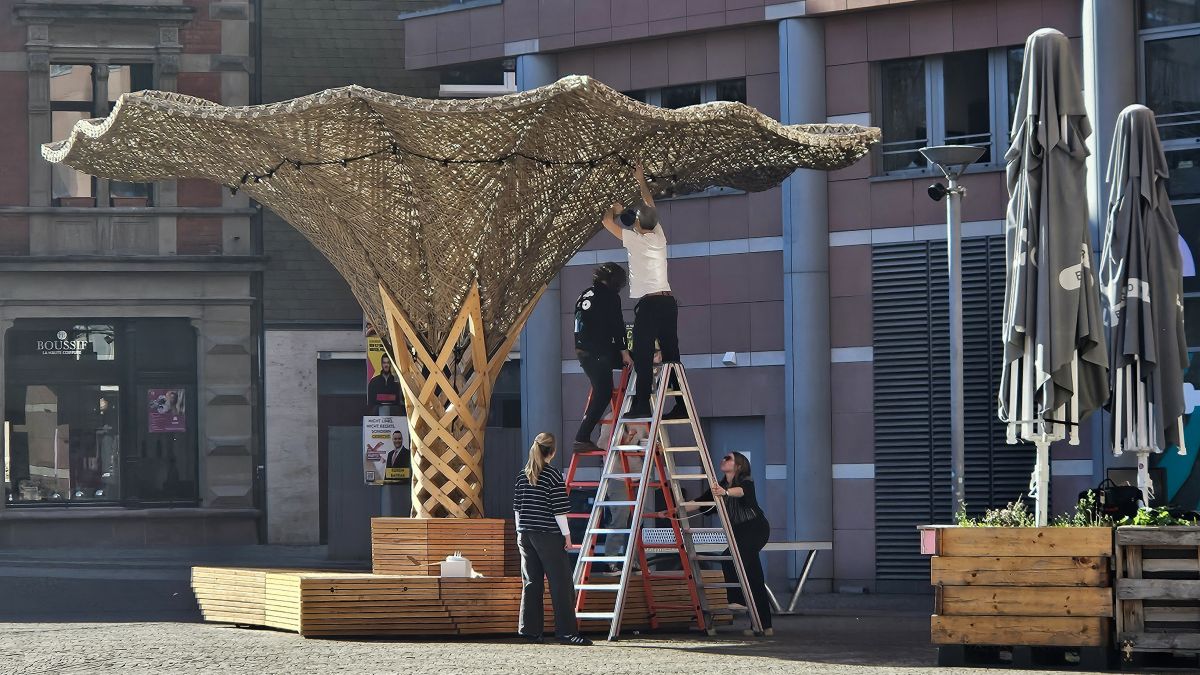
Heat waves cause squares and pedestrian zones to heat up significantly, especially in densely built-up city centers. Researchers at the Karlsruhe Institute of Technology (KIT) are investigating how cities can adapt public spaces to these challenges and maintain their attractiveness and usability as part of the “Kronenplatz Effect” project.
“Kronenplatz in Karlsruhe is among the hottest spots in the city center and serves as an example of many urban squares throughout Germany,” says Dr. Hans Schipper of the South German Climate Office at KIT. Effective adaptation requires not only physical interventions in the built environment but also consideration of how citizens use and perceive public spaces. Therefore, the project brings together the disciplines of meteorology, regional science, and architecture.
To test solutions under real-world conditions, the researchers have installed a measurement network consisting of ten sensors. It records temperatures and humidity and reveals how measures such as shading or greening affect the microclimate and the quality of stay. Initial measures, such as innovative fabric-based shading elements, have already been implemented as part of a student seminar. Based on the data collected, the project team develops scientifically sound recommendations for municipalities.
Kronenplatz as a Real-World Laboratory for Climate Adaptation
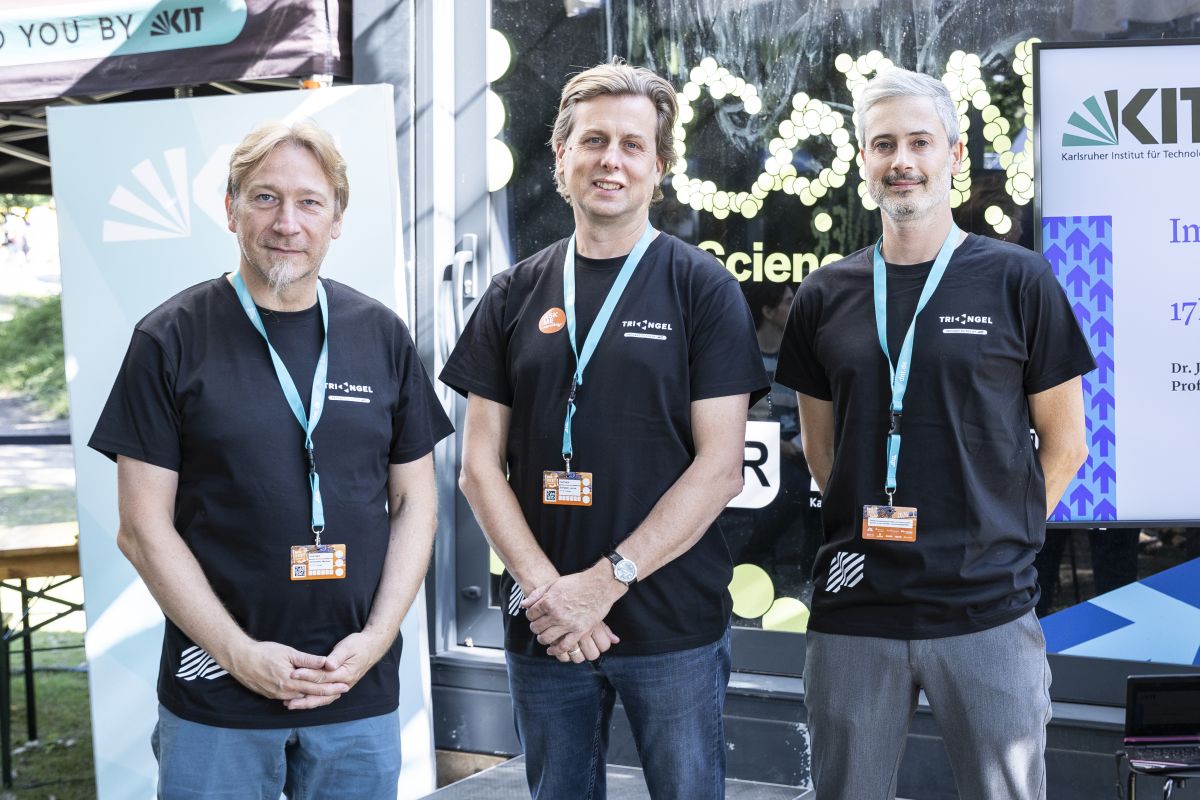
The project combines research, urban design, and societal dialogue. Through the mobile knowledge-transfer infrastructure corner <science> to meet you!, researchers, together with the City of Karlsruhe, discussed project ideas with citizens both on-site and at events such as DAS FEST. This creates a foundation for the targeted climate-resilient design of public spaces, the findings of which can be applied beyond the region.
Also participating in the project are KIT’s Division IV – Natural and Built Environment, the TRIANGEL Transfer | Culture | Space, and the Schleicher Foundation in cooperation with the KIT Foundation.
swi, August 12, 2026