
KIT Contributes Key Expertise to Fusion Alliance
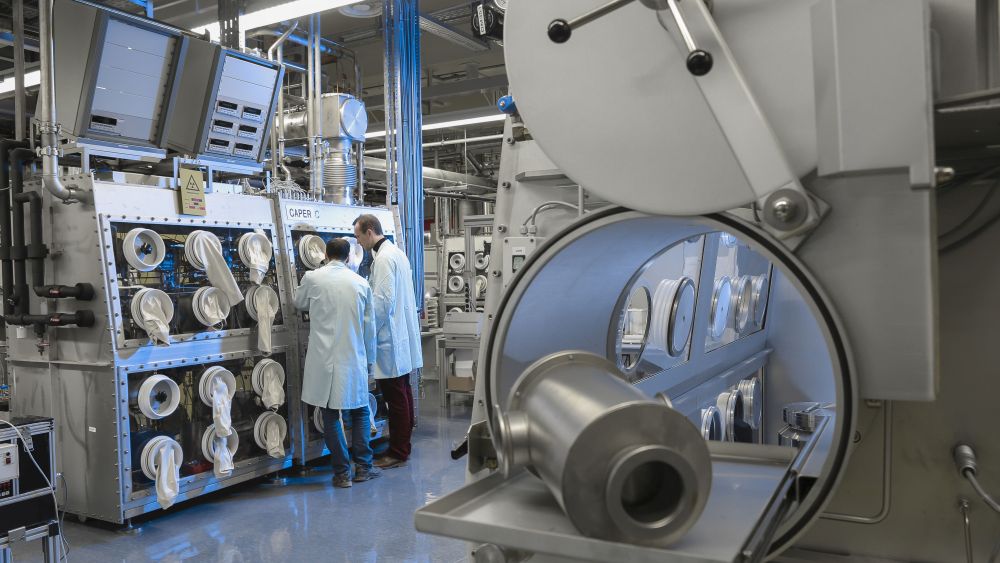
Baden-Württemberg is joining an inter-state alliance for fusion research in which several German states are pooling their efforts to advance the development of fusion reactors. The Karlsruhe Institute of Technology (KIT) will play a key scientific role in this initiative, focusing on the identification and resolution of technological bottlenecks that must be overcome to enable the practical use of fusion energy.
Leading International Infrastructure in Karlsruhe
“The development of fusion power plants is a long-term challenge that requires persistence and technological depth,” says Professor Oliver Kraft, Vice President for Research, Teaching, and Academic Affairs at KIT. “For many years, KIT has been working at the interface between fundamental research and robust, application-oriented technologies. The Fusion Alliance now provides an excellent framework for advancing this work together with strong partners.”
Research at KIT addresses key prerequisites for future fusion power plants. These include, in particular, the supply of the fuel tritium, the establishment of closed fuel cycles, and the development and testing of materials capable of withstanding the extreme thermal and nuclear stresses of fusion. With specialized laboratories and internationally unique research infrastructures, KIT is creating essential technological foundations for making fusion energy viable as a CO₂-free energy source in the long term and for strengthening Germany’s position in international fusion research.
mhe, January 8, 2026