
Materials Research: How the EU Could Strengthen This Driver Of Innovation
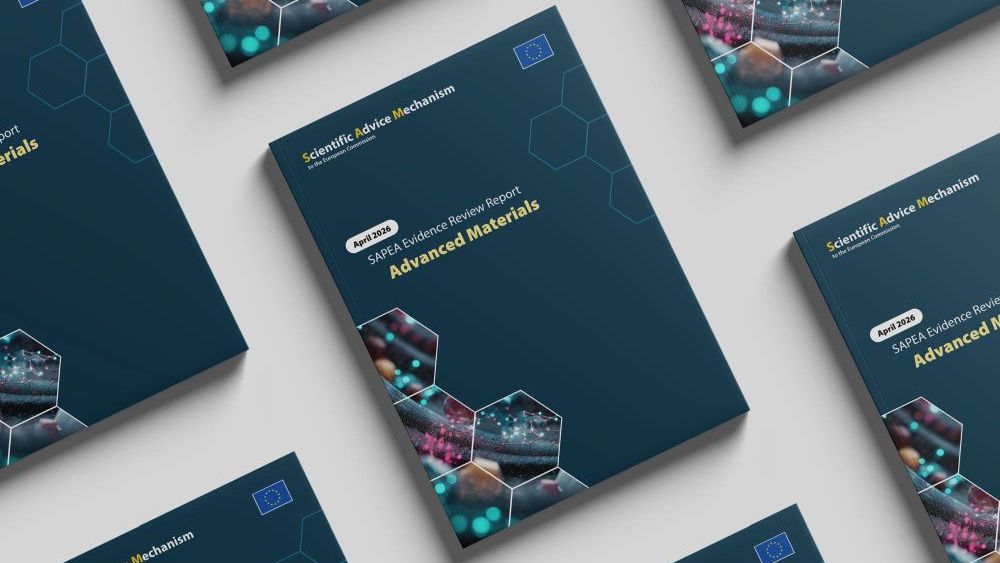
Whether novel semiconductors for energy systems, biocompatible implants in medicine, or high-performance quantum technologies: specially designed materials, known as advanced materials, are ubiquitous and are expected to continue help Europe enhance its competitiveness and independence in the future. A European expert panel with participation from Karlsruhe Institute of Technology (KIT) has now developed a guideline for the European Commission containing 31 recommendations for strengthening materials research.
Europe: Worldclass in Fundamental Research, Weaknesses in Scaling
According to the report, progress is expected in numerous areas ranging from biotechnologies and AI to novel manufacturing processes. However, dependencies on raw materials – such as lithium, cobalt, or rare earth elements – remain a central risk. The experts of the Science Advice for Policy by European Academies (SAPEA) therefore advise developing alternatives, expanding recycling, and closing material loops. Newly developed sustainable materials could support these efforts.
The analysis finds that while Europe leads worldwide in fundamental research, it faces deficits in scaling, data infrastructures, and skilled personnel. Luca Ghiringhelli, Professor of Computational and Data Science in Materials Research at KIT and co-author of the guideline, sees data driven research as a possible answer: “We recommend the development of automated laboratories and digital twins. This will allow tailored materials to reach application more quickly.”
The report also recommends new formats for exchange between research labs and industry, to test research results under real-world conditions, as well as clear regulations and certification procedures. If the EU establishes reliable framework conditions, advanced materials could become a driver of the green and digital transformation, the experts conclude.
iha, April 22, 2026